How to get a Drivers License in Bangkok
 1 / 16
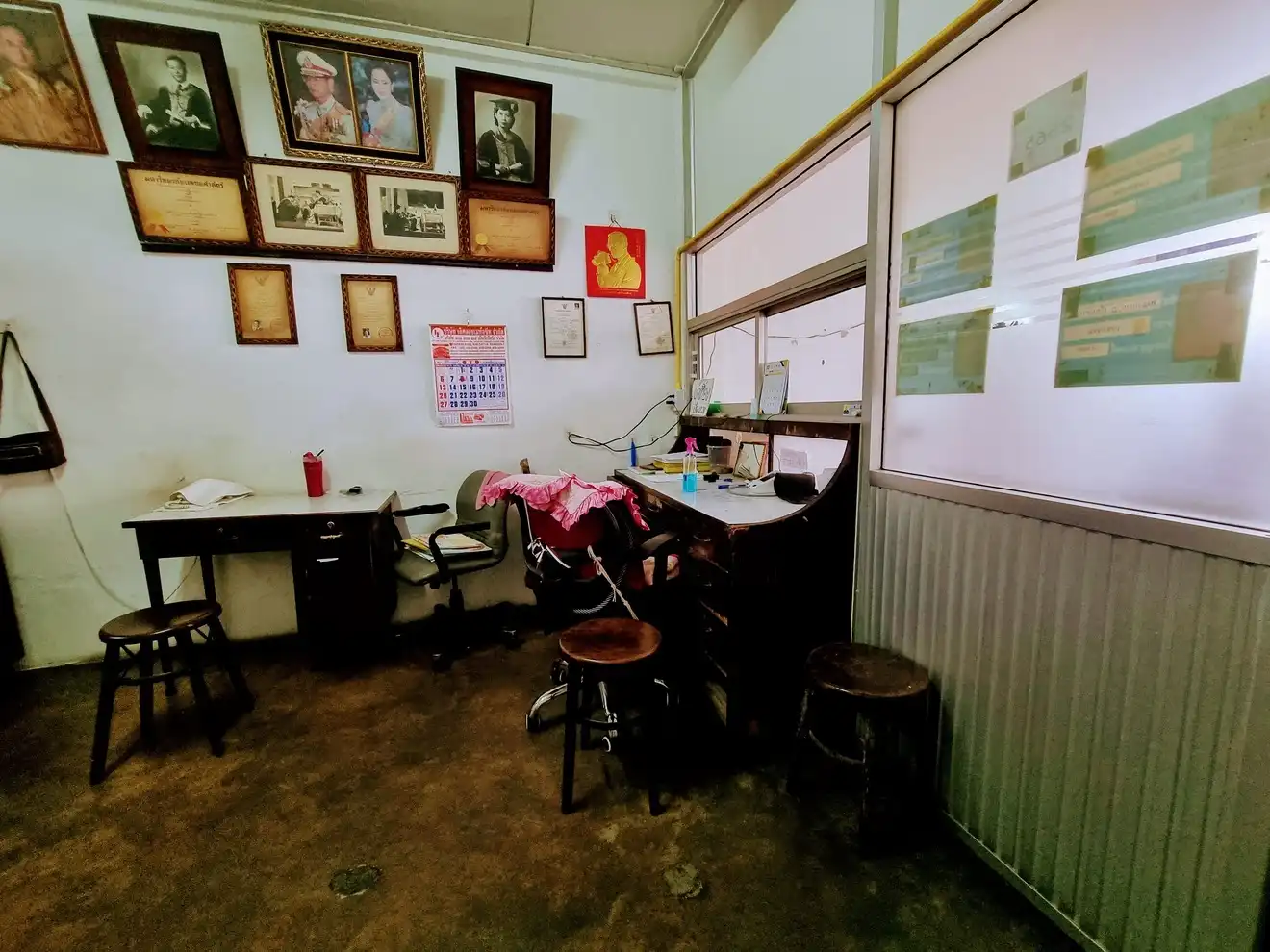
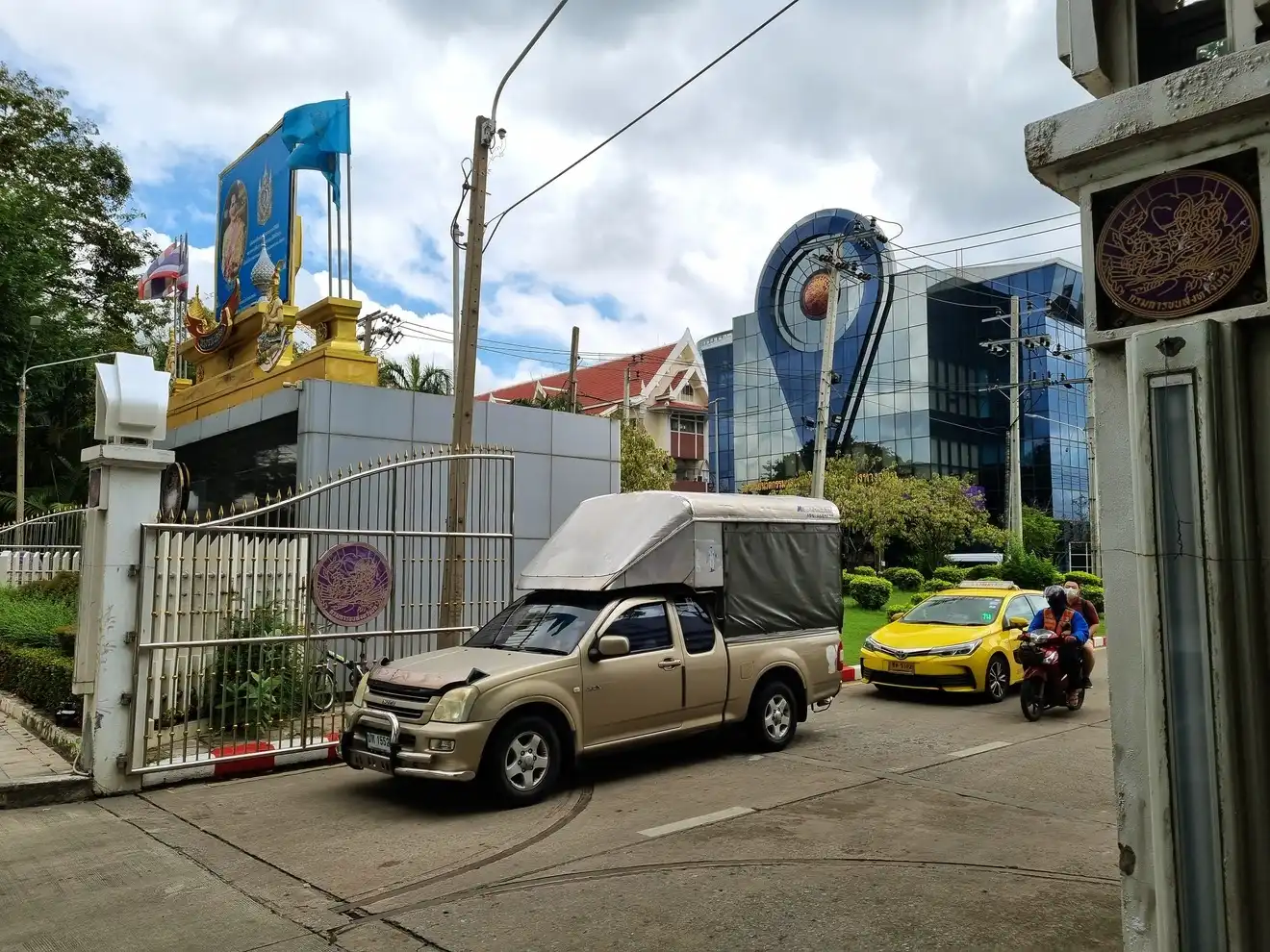
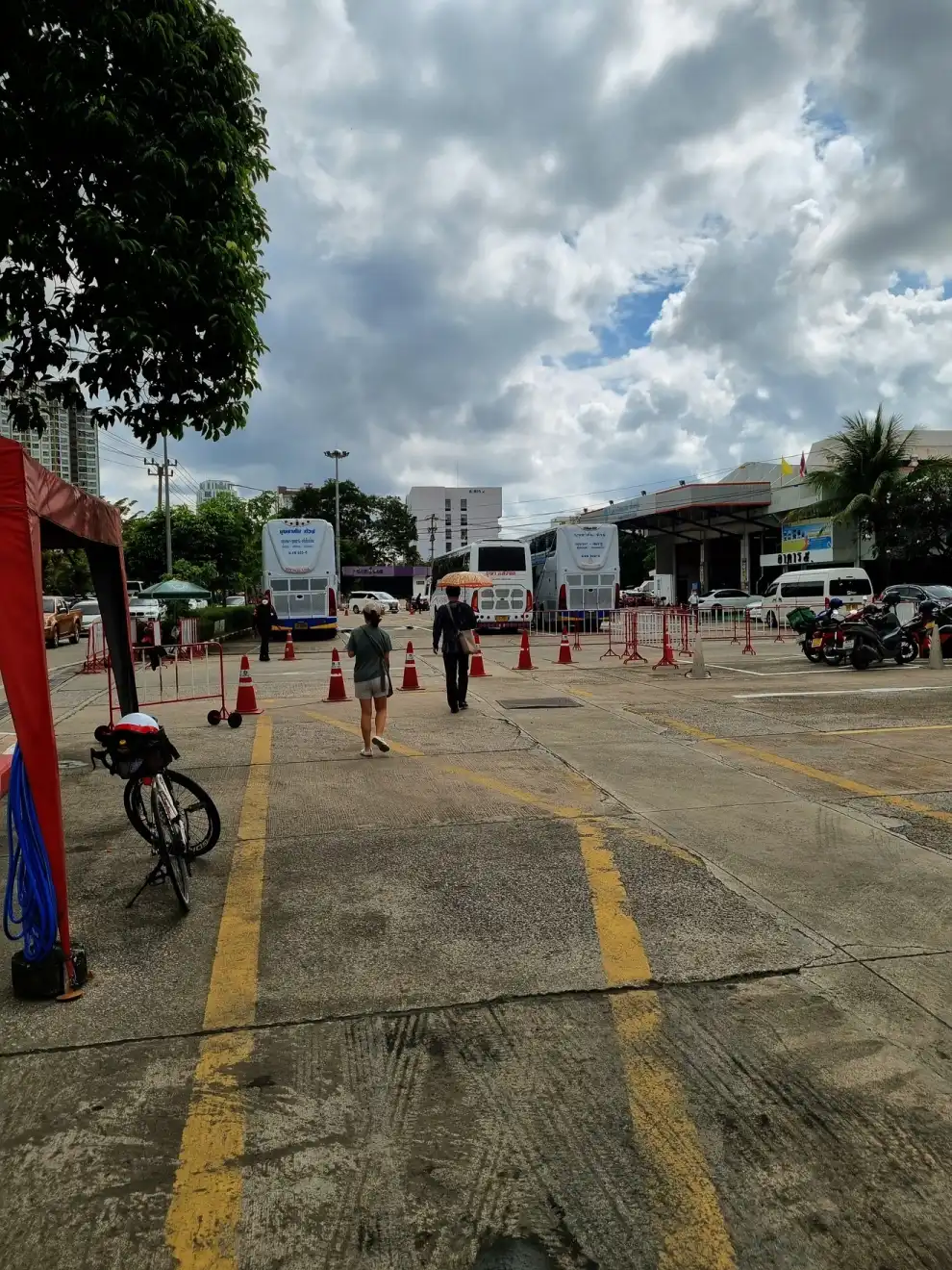
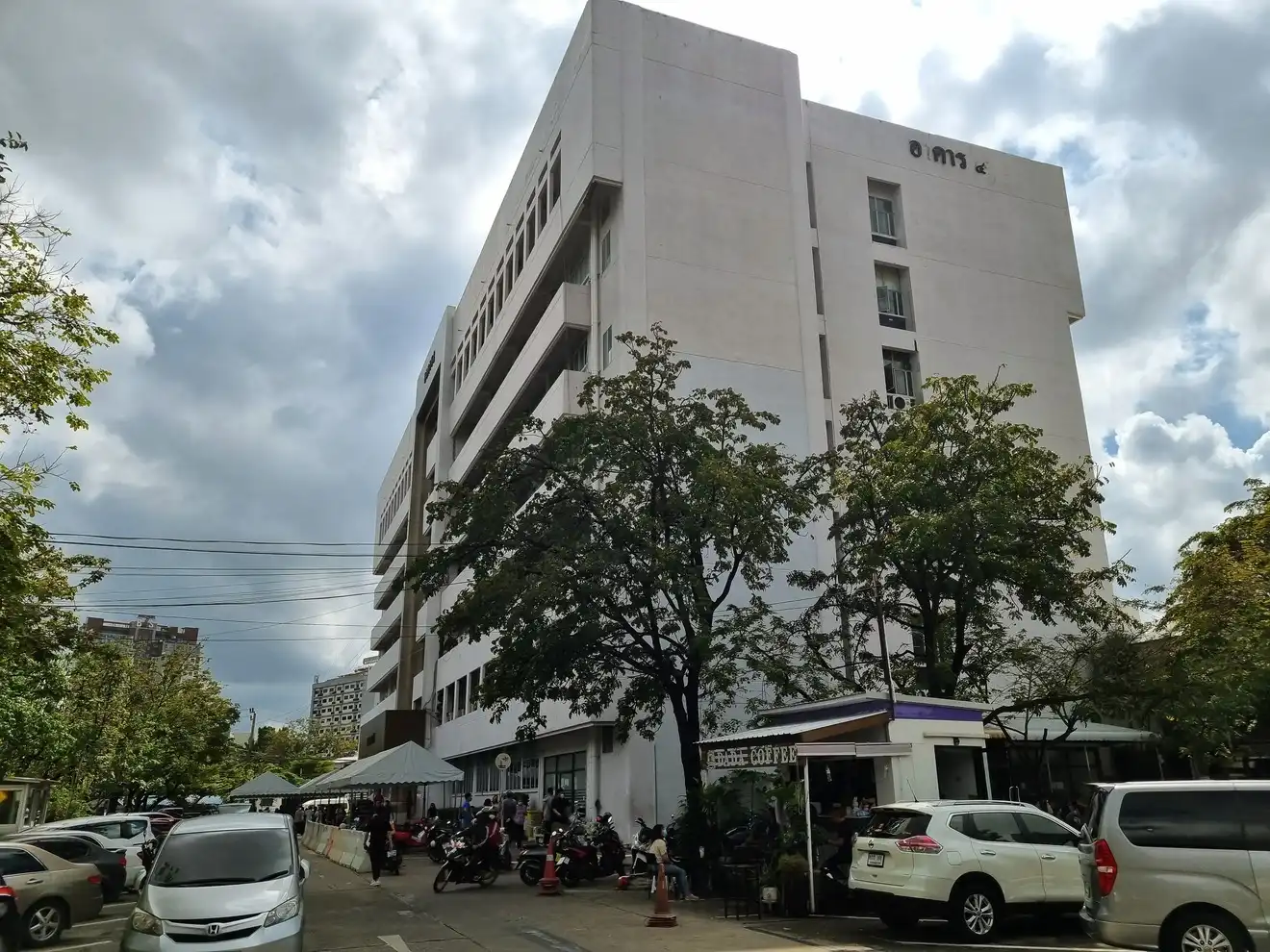
- Everything you need to know to convert your foreign drivers license in Bangkok, Thailand
- One common misconception is that an International Driving Permit (IDP) will fully cover you during your stay in Thailand.
- If you are eligible for a Thai driver’s license, you are best spending the time and effort in getting one.
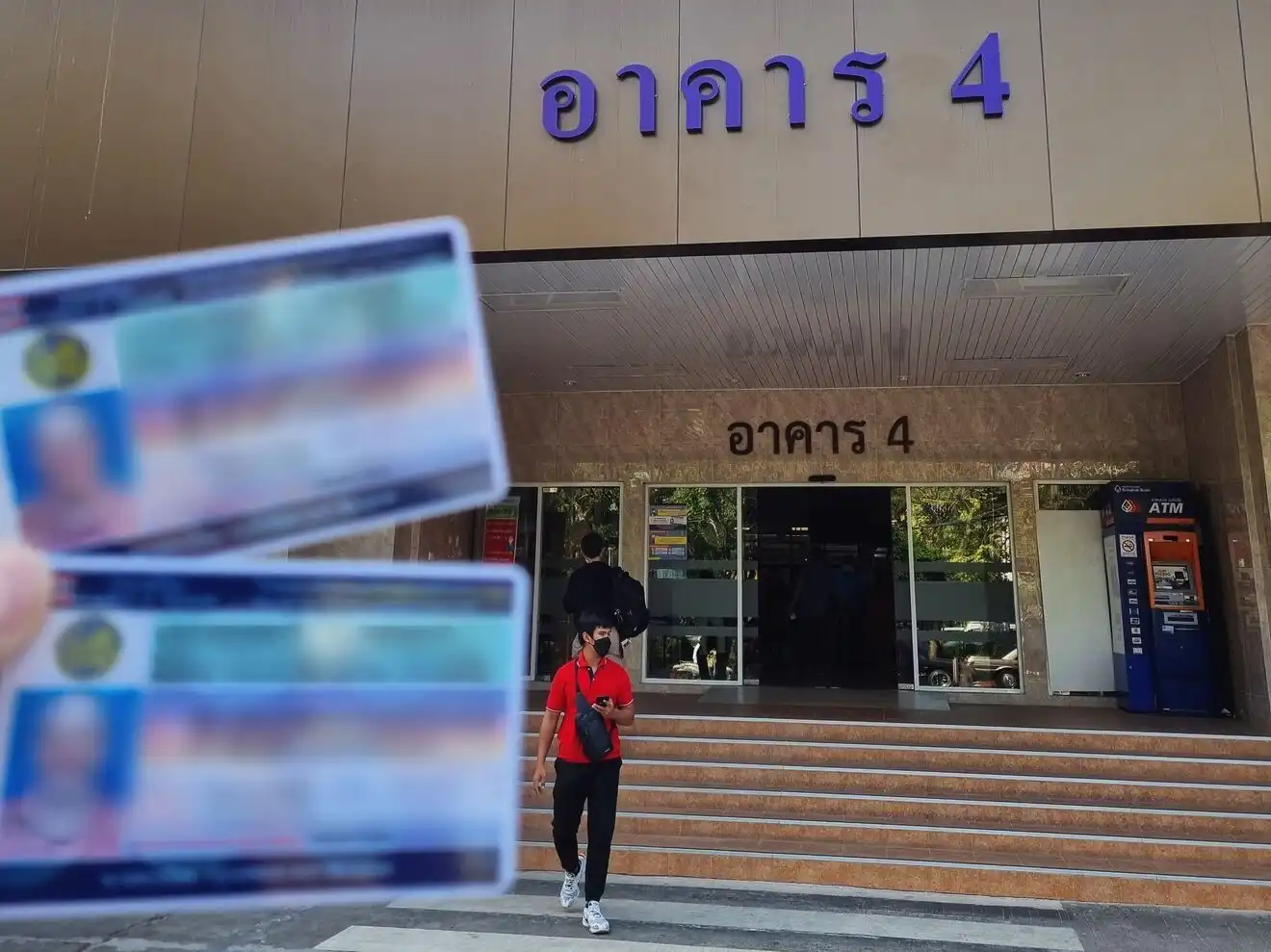
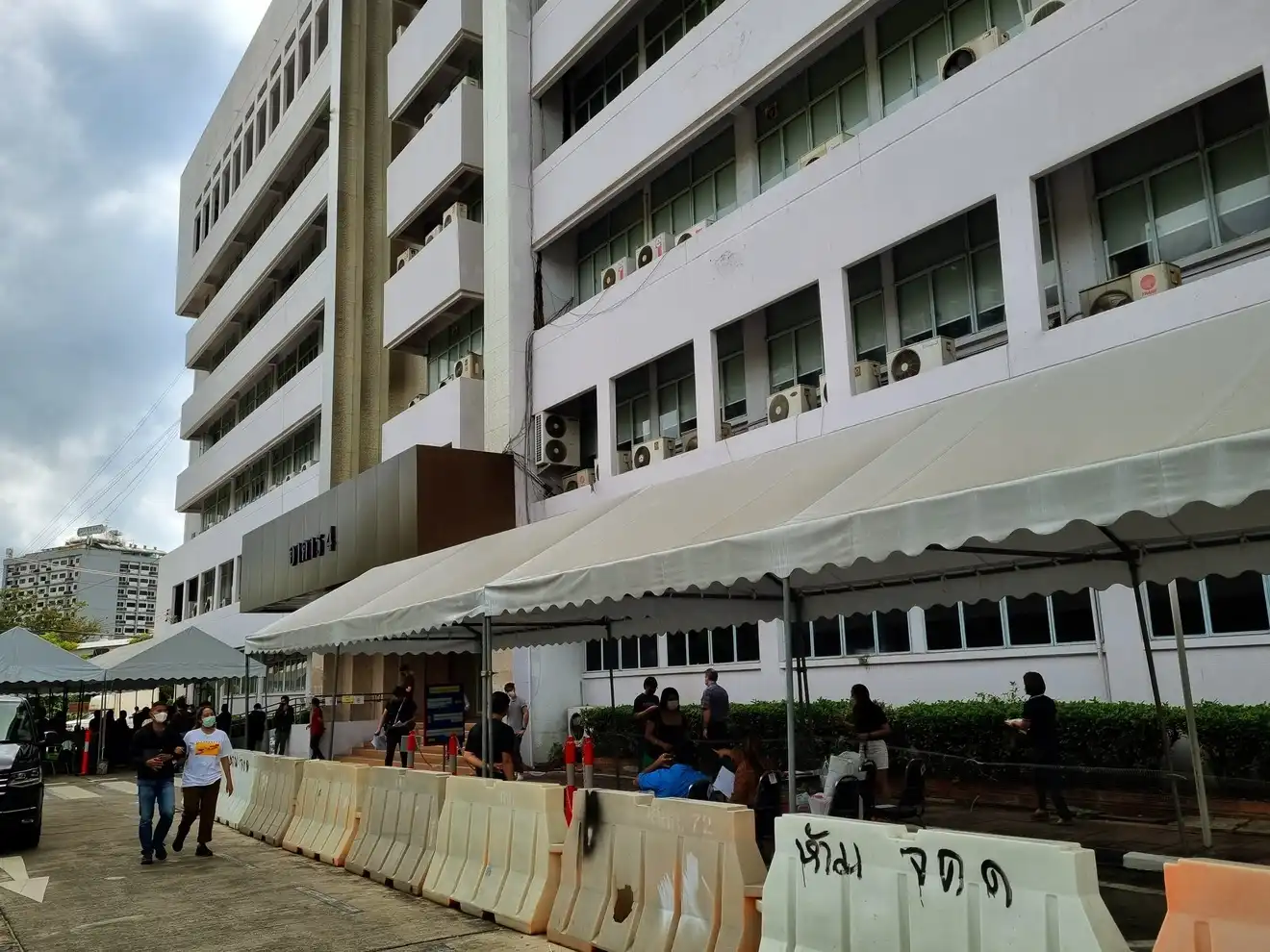
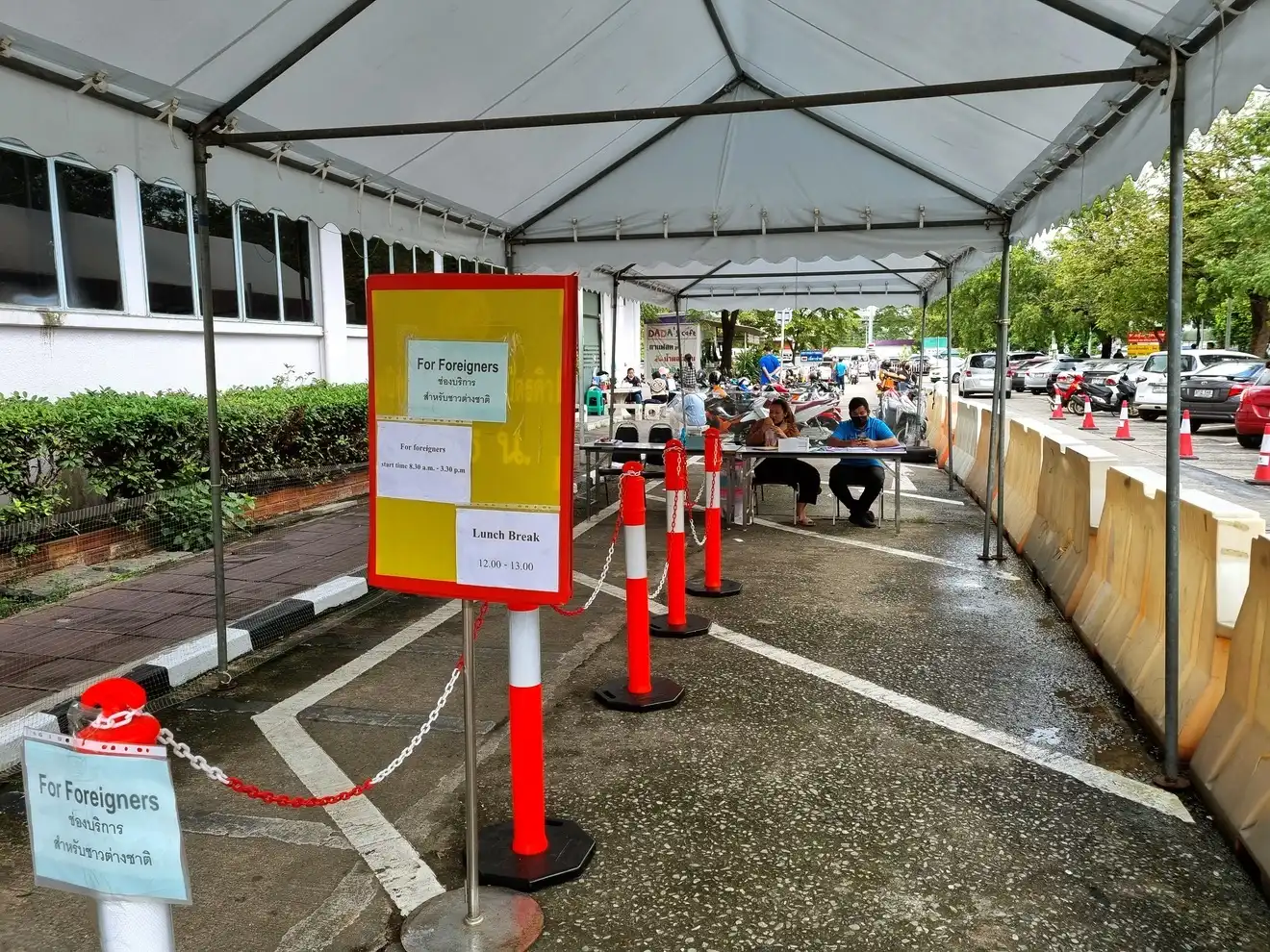
- Head to the Chatuchak DLT Building 4 foreigners tent (see Location below).
Table of Contents
This is the procedure, stripped of the storytelling. If you want to know what it actually feels like, including the ten wasted trips to immigration that taught me the lessons below, that is in My Thai Drivers Licence Story.
Why bother #
Two guarantees in life, death and taxes; in Thailand this frequently arrives as uninsured motorbike accidents and requests for cash payments to be slipped under a policemans clipboard.
Rental agencies are happy to rent you a scooter with nothing more than a photo of your passport and a decent deposit. But unless you are authorised to ride on Thai roads:
Your health and/or travel insurance may not provide coverage if you are breaking the law. If you are found riding without a license (also drunk or without a helmet), and you end up in an accident, do not expect your insurance to reimburse your expenses or cover liabilities to others and their property.
To the police, you are simply a fast-moving cash bag, looking to be collected.
International Driving Permits #
One common misconception is that an International Driving Permit (IDP) will fully cover you during your stay in Thailand. This may be true for most tourists; however, it is not as watertight as you might expect.
International Driving Permits are governed by three international conventions:
- The 1926 Paris International Convention relative to Motor Traffic
- The 1949 Geneva Convention on Road Traffic
- The 1968 Vienna Convention on Road Traffic
Thailand is a signatory to the 1949 Geneva convention. This is unusual as most other countries that signed the 1949 Geneva convention also signed the 1968 Vienna convention.
The 1949 convention has a few limitations compared to the more common 1968 convention.
- The IDP is only valid for one year
- Within that year, the IDP can only be used exclusively for the first 30 days you are in the country
- There are weight limits on the motorbikes and cars you can legally drive.
While a policeman on the street may not notice the difference, your insurance company will most likely know the fine print. Having a license issued for more than a year, driving around more than 30 days after you entered the country, or simply driving a car or bike heavier than the allowed limits may invalidate your license!
Just get your Thai drivers license (if eligible) #
If you are eligible for a Thai driver’s license, you are best spending the time and effort in getting one. Not only does it save you from headaches on the road, but it also makes it easier to travel and get around. Strictly speaking, you should have your passport with you at all times. A Thai driver’s license is an acceptable alternative and allows you to leave your passport at home.
Even travelling domestically is almost impossible without a passport or driver’s license. Domestic flights as well as interstate trains and buses may deny you boarding without suitable identification.
The process to convert your foreign driver’s license to a Thai one is mainly aimed at people in Thailand on a long visa. You are expected to have completed at least your first 90-day check-in at immigration and provide a residence certificate.
But this is Thailand… I will not say it is impossible for someone on a tourist or other short term visa to get a license. There are stories floating around of people who state they have! But I have never met any of these lucky folks to find how they sweet talked their way to get one of these.
Requirements #
Here are the requirements:
- Long-term visa (NON-B/O, Education, LTR, Elite, etc.)
- You must have completed your first 90-day check-in.
- Residence certificate from immigration
- Most embassies are not issuing this anymore (but it is worth emailing them).
- You MUST go to the right immigration centre (based on which district issued your visa… Look at the stamp).
- The certificate is only valid for a limited window (mine was treated as 4 weeks), so plan the timing of this against your DLT appointment.
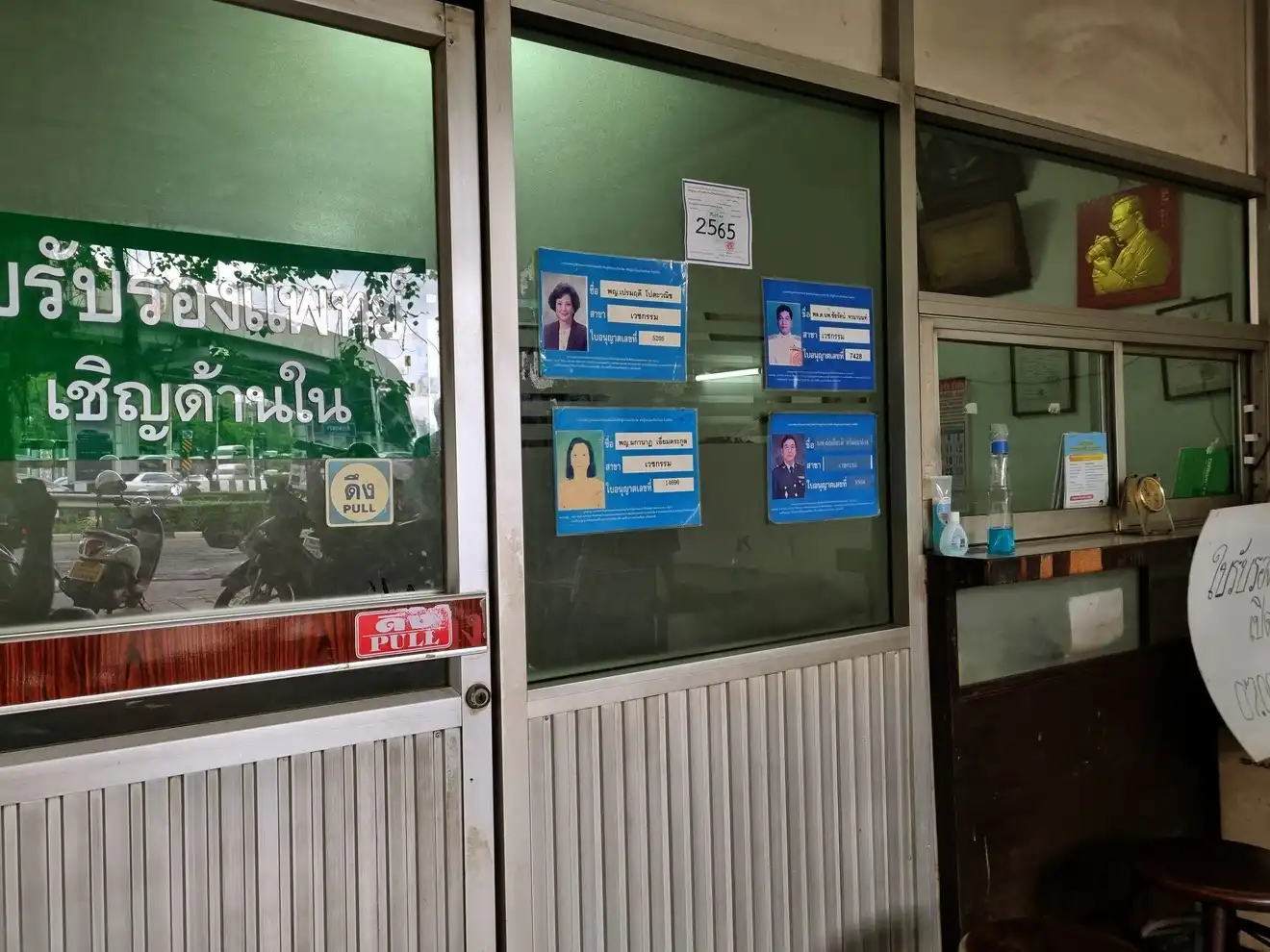
- A medical certificate
- This is VERY simple. It is basically checking if you have a heartbeat.
- Also time-limited, same as the residence certificate.
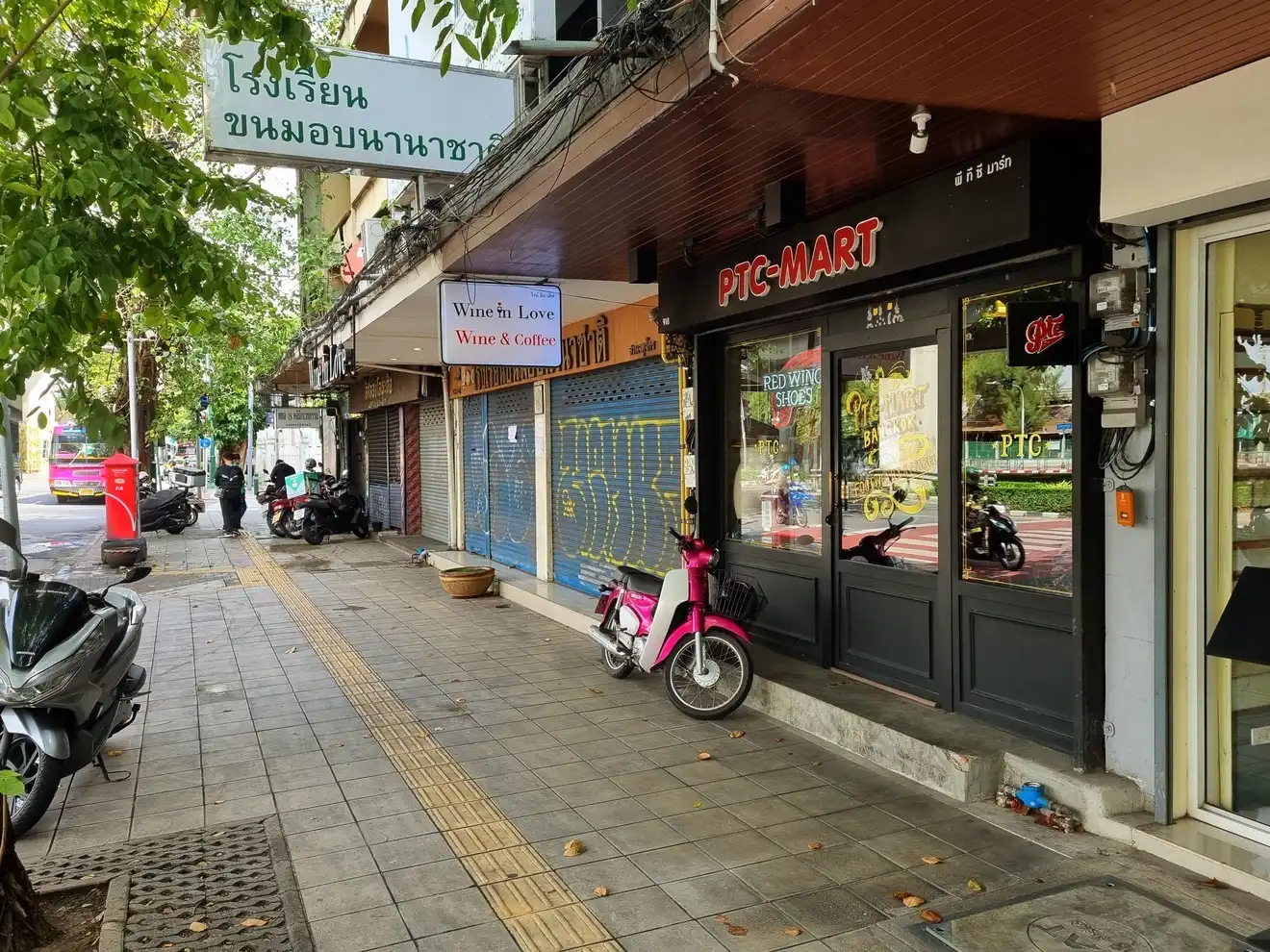
- 150 baht and 15 minutes at the clinic near DLT (see Location below).
- Paperwork, identification and more paperwork
- Bring your originals. There is a cheap photocopier service on the ground floor of DLT who know exactly what is needed.
- Patience
- Expect this to take a few hours over two separate days.
The single most important lesson, learned the hard way: go to the immigration office for the district that issued your visa, not the one closest to you. I burned more than ten trips to the wrong office before someone sent me to the right one, which took five minutes. The full comedy of errors is in the story.
Booking the appointment at DLT #
Head to the Chatuchak DLT Building 4 foreigners tent (see Location below). Staff there have fantastic English, and the tent usually has no line.
Present all of your documents and originals. They will check them, then flip out a calendar to make your appointment. Two things to know:
- They offered me a date six weeks out. When I pointed out that the residence and medical certificates are only valid for four weeks, they found me a slot in three weeks instead. If your offered date outlives your paperwork, push back politely.
- They will sort your documents into piles and tell you to bring them back in exactly that order. Do exactly that.
The test day, floor by floor #
Return to the foreigners tent, confirm your document piles are untouched, and head inside and up.
First Floor #
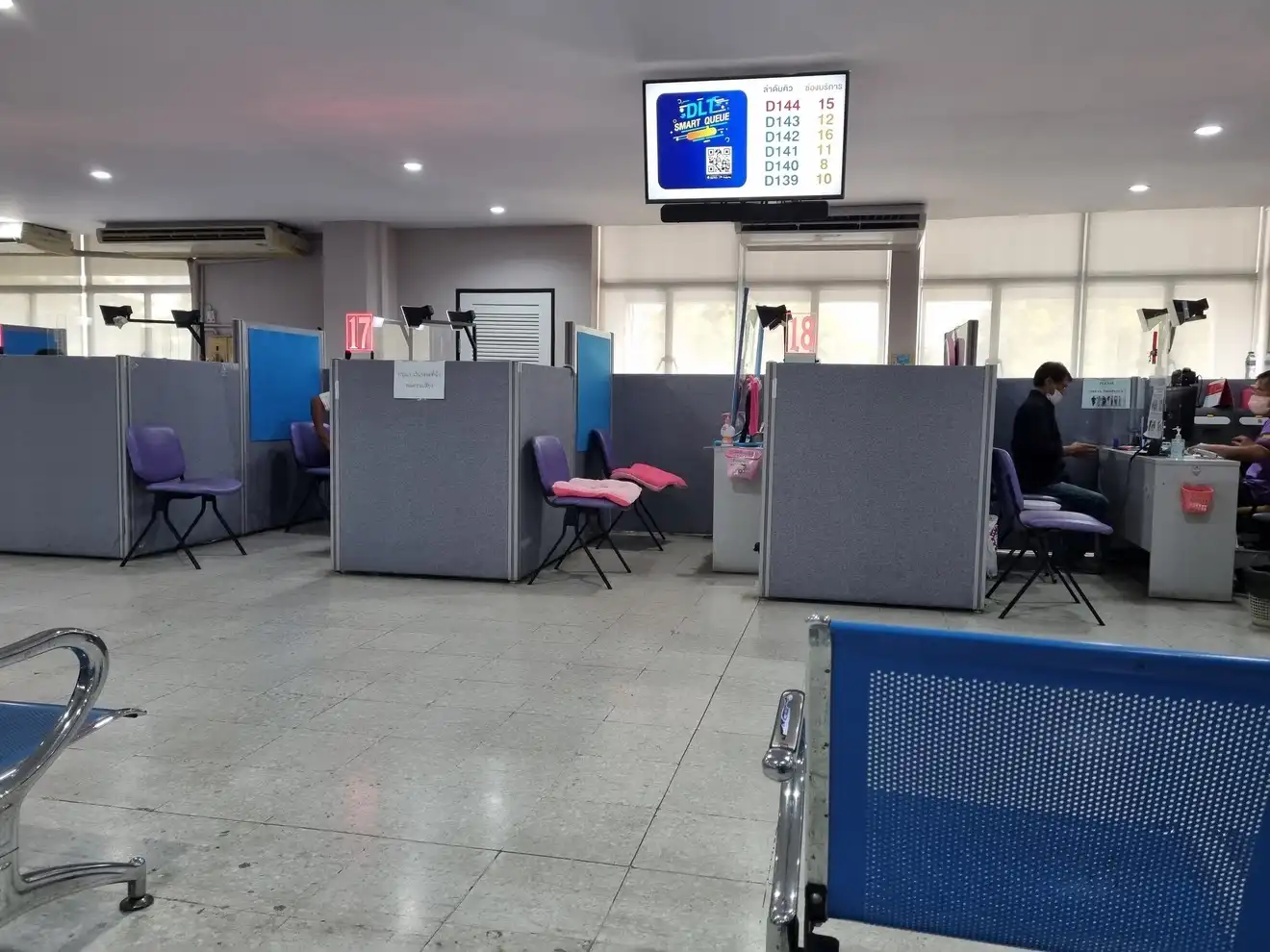
Take a ticket at the door, wait for your number, go to the window it indicates. There are MANY people waiting, but the office is well staffed and the line moves quickly. They re-check everything the tent checked, then send you up to the second floor.
Second Floor #
The physical tests. Follow the curving line on the floor; the stations are set up along it:
- Colour test
- A traffic light is set up in the room, with each of the three light positions having a bulb which could be any of the three colours. A random light will flash a random colour, and you have to call out the colour.
- Pretty simple.
- Depth perception
- Next up there were two candles in a box 5 meters away. One candle is stationary and the other moves forward and backwards. You have to stop the moving candle when it is in line with the stationary one.
- This one felt a little trickier, but they seem to have a fairly wide acceptance range. I witnessed a few people after me have a fairly large gap between the candles and they were still progressed.
- Reaction test.
- Another easy one. When the traffic light goes red, stomp your foot on the button to ‘break’.
- I think the allowable delay was about 0.2 seconds, and you will be given 3 attempts to beat this time.
- Peripheral vision.
- I found this one easy, but a few struggled with it.
- You place your chin on point, and forehead has to rest on a bar. Once you are in position, they will light up LEDs from what feels like behind your ears. You must keep your chin and forehead in position, eyes straight ahead, and call out the color of the LEDs they are using.
Once all the tests are finished, they give you a card, and you follow the floor line up to level 3.
Third Floor #
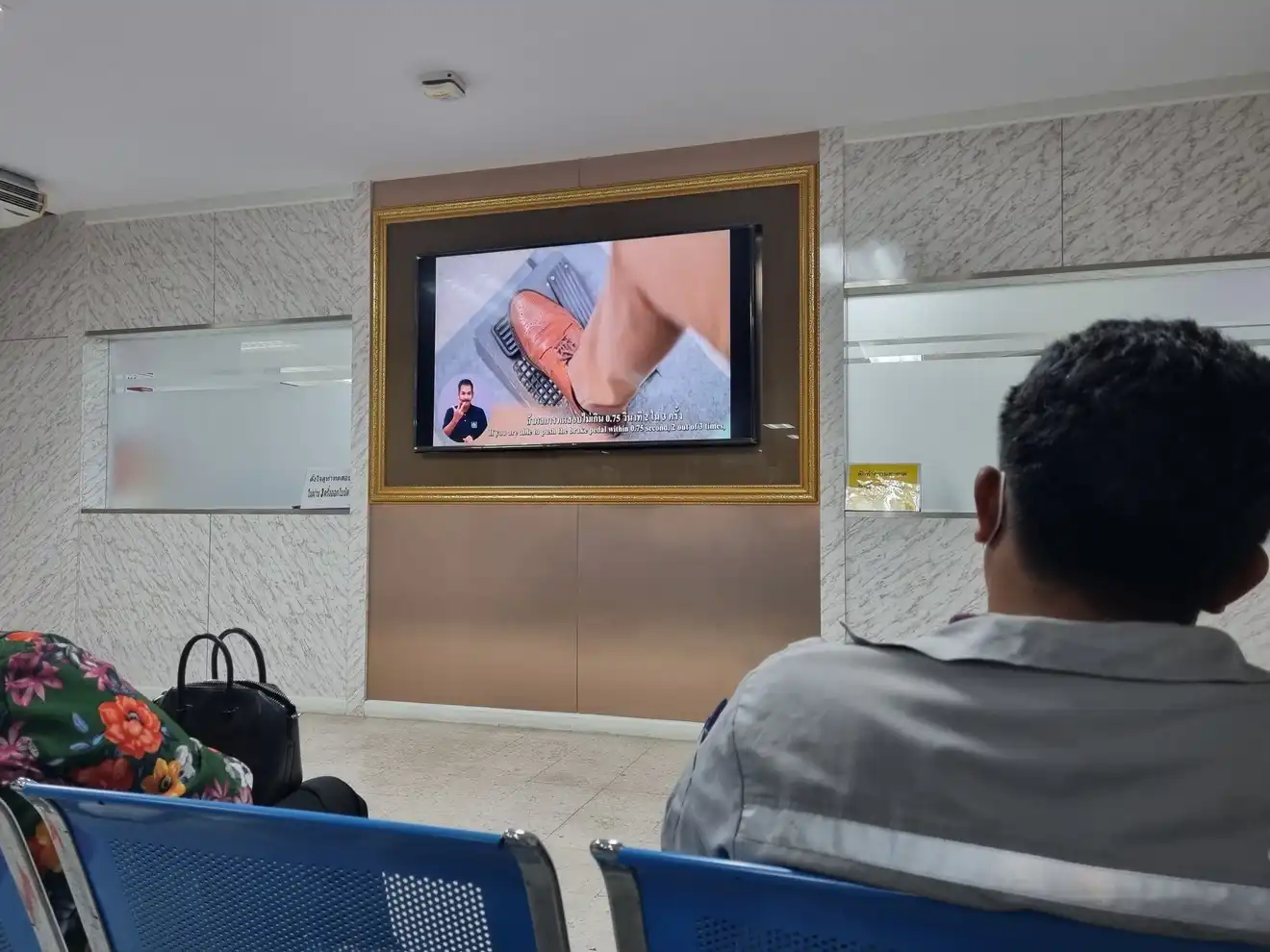
The weird floor. The final station is to sit in a small cinema and watch about 30 minutes of graphic car crashes and road safety messaging. The audio is in Thai, but it rotates between English and Thai subtitles every 10 minutes. Once the room is full, they stamp your card and direct you back down to the first floor.
The pink desk #
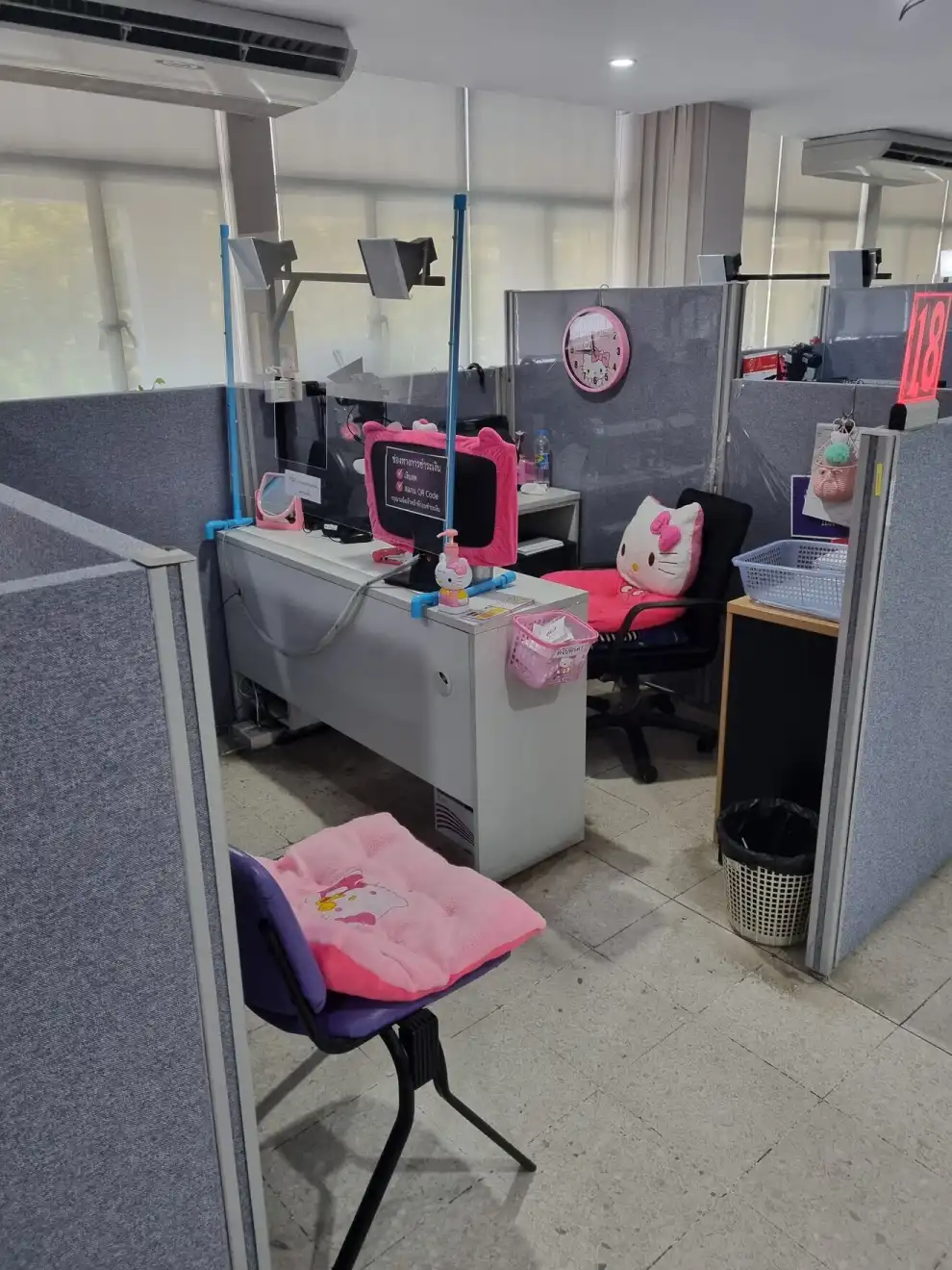
Grab another ticket, wait, and get called up to the ‘pink desk’. They check your papers and your card, take payment per license (one for the motorbike, one for the car), and about 10 minutes later hand you your cards.
All up, about half a day.
Worth knowing afterwards #
‘Random’ police checks become enjoyable, as the ‘hard cop’ acting drops as soon as they see the license, and you have a friendly chat instead.
Leave your passport at home. Domestic flights, trains and buses accept the license as identification.
I’ve been lucky and been able to show my driver’s license to get discounted entry into National Parks. I don’t think this is a formal arrangement, so please don’t expect it every time.